

Cassini has found that the gas plumes spewing up from the blue 'tiger stripes' (see picture below) are coming from areas where the internal temperatures are just minus 83 degrees Celsius (compared to minus 201 on the surface). So not that cold when you consider Antarctica has been measured as low as minus 89, and even our own Charlotte Pass has experienced minus 23.
So how does this happen so far from the cosy fireside of our Sun? It's all to do with gravity. The massive gravity of the planet Saturn itself, with Enceladus being one of the innermost moons, compounded by the infinitely varying impacts of the rest of Saturn's 53 moons. That's a whole lot of pushing and pulling going on, and the ice-covered surface of Enceladus must be getting a better massage than a yoga instructor's innards. And pushing equals friction, which in turn equals heat.
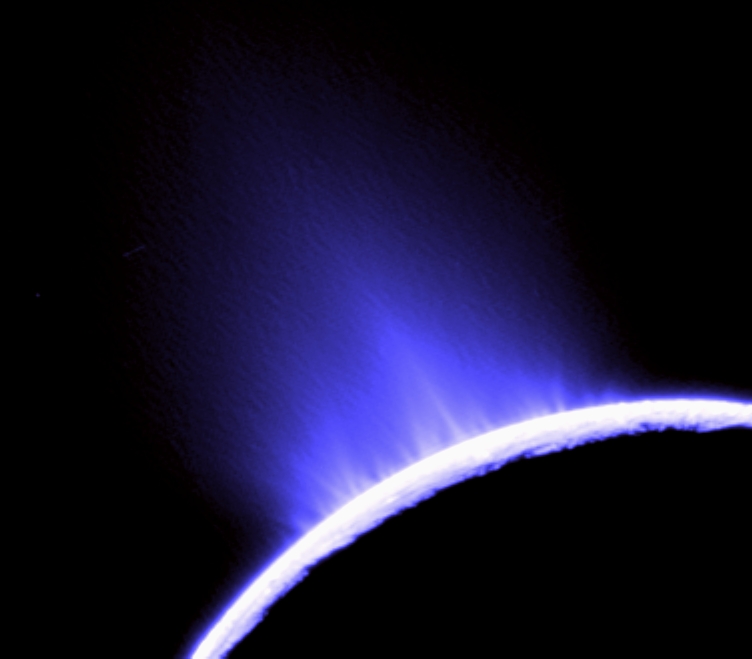
All of this adds up to a scenario where it is just possible that some form of life may well have developed in the Slushy just under the surface of this enigmatic moon. No Asgard to be sure, but wouldn't discovery of even a simple bacteria just turn the whole world on its head?
No comments:
Post a Comment
Please share, "Like", or comment on this post. Feedback is fuel for the blogger!